Hi, there! If you’re after a bite of Kyoto’s local comfort food, try nishin-soba — soba topped with sweet, braised herring. I visited the long-running Matsuba (founded in 1861), the place commonly credited as the origin of this dish and had both a memorable meal and a proper Kyoto moment. Below I’ll cover what nishin-soba is, my impressions, menu highlights, and useful tips for visiting.
Planning a trip to Kyoto? Join hands on Kyoto food and sake tour?
What is Nishin-Soba?

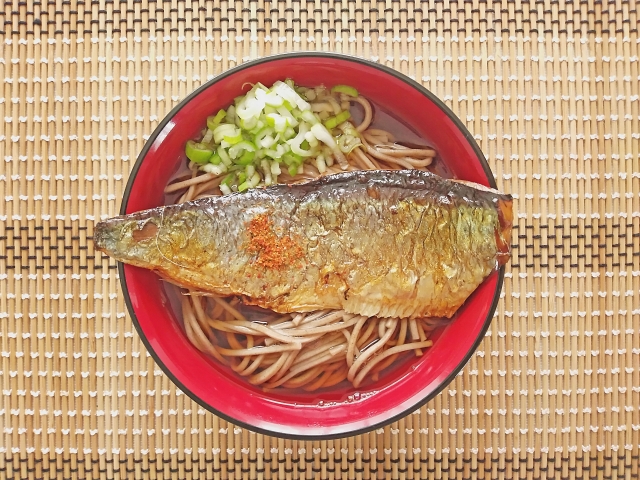
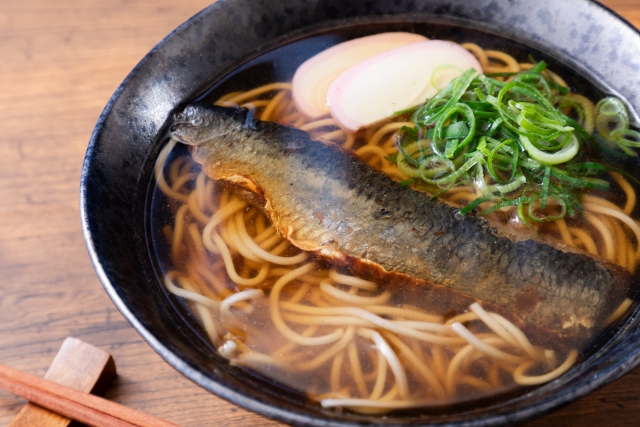
Nishin-soba is essentially soba noodles served with a piece of herring that’s been simmered in a sweet-and-savory sauce. It’s a Kyoto specialty: the stock is typically a light, kelp-based (kombu) broth with a delicate soy seasoning that’s more restrained than flavors you might find elsewhere in Japan. The prepared herring is usually a sweet, simmered fillet — soft enough to flake apart easily.
Quick Vocab
棒炊き (bō-taki)
The herring is often prepared as a boned and simmered (sweet) fillet; think of it as a slow-braise that makes the fish meltingly tender.
Kyoto dashi (京風だし)
A lighter, more subtle stock profile (often kombu-based) that lets delicate flavors shine.
Matsuba — The Shop

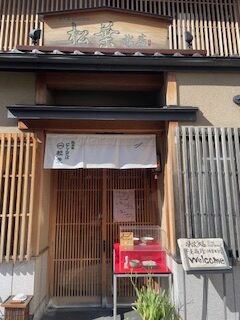
Matsuba is a venerable soba shop in Gion with around 150 years of history. It’s famous for being the birthplace of nishin-soba and is popular with both tourists and locals.
Practical Info (Quick)
• Opening hours (as visited): 10:30–20:30
• Closed: Wednesday (main branch often closed on Wednesdays — check before you go)
• Access: a short walk from Gion-Shijo Station — very central in Gion. Address detail from the site if you want it.
Menu Highlights & Prices (Easy Reference)

Matsuba offers both hot and cold soba, plus rice bowls and small plates if you fancy something else.
Representative Prices (as listed):
• Hot nishin-soba — ¥1,870
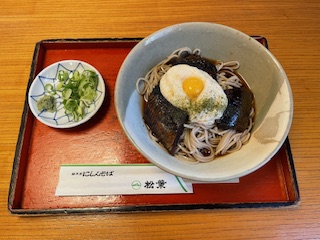
• Cold nishin-soba (with grated yam tororo and raw egg yolk) — ¥2,090
Other examples: seiro (plain cold soba) ¥1,100; tempura seiro ¥1,320; duck seiro ¥1,650; curry soba ¥1,760. Prices are subject to change, but this gives you the ballpark.
Tasting Notes — What I Ate

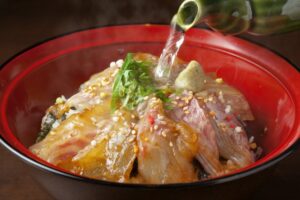
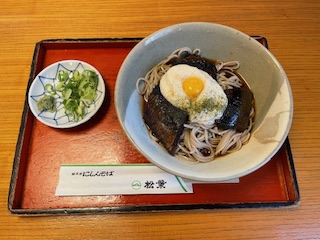
It was a hot day, so I tried the cold nishin-soba (the one with tororo — grated mountain yam — and an egg yolk). Presentation was neat: a glossy slab of herring on top of fine, pleasant-textured soba. The herring was sweet-and-savory, meltingly soft — you could almost eat the bones — and the tororo + egg made the noodles creamy and rounded.
The balance between the delicate Kyoto broth and the sweet herring worked brilliantly: light, refined and surprisingly moreish.
Waits & Best Time to Visit
Matsuba is popular: I went on a weekday at 17:00 (just after opening) and had no wait, but the place filled up quickly — many of the later arrivals were foreign tourists. Expect queues at lunch and dinner peak times.
My tip: arrive right at opening or a little before the evening rush to avoid lining up.
Other Nishin-Soba Spots in Kyoto (For Foodies Who Like to Compare)
If you want to try a few versions around the city, consider:
Yagura (やぐ羅)
Quieter, refined Kyoto stock and subtle herring sweetness.
Honke Owariya (本家尾張屋 本店)
An ultra-historic place (dates back to the Muromachi period); their nishin-soba has a stronger, punchier broth.
Notes for Non-Japanese Visitors (Useful Expectations)
• Tipping: not expected in Japan; just pay at the counter or as instructed.
• Portion size & costs: the meal is reasonably priced for a sit-down restaurant in Gion but not a budget stall — expect to pay the prices listed above.
• Food sensitivities: the herring is sweetened and oily — not for those avoiding fish or high-salt items. If you have allergies, ask staff (in simple English) — many places are used to tourists and can help.
Short Closing — Is It Worth It?
Yes — especially if you like trying local classics. Matsuba’s nishin-soba is a tidy, Kyoto-style take on soba that feels refined rather than heavy. If you’re wandering around Gion and want a genuine local dish, add it to your list.
Don’t miss s Kyoto culture tour!
Klook.com


Comments